
How Often Should You Really Be Getting a Massage?
Updated: Jul 25, 2025
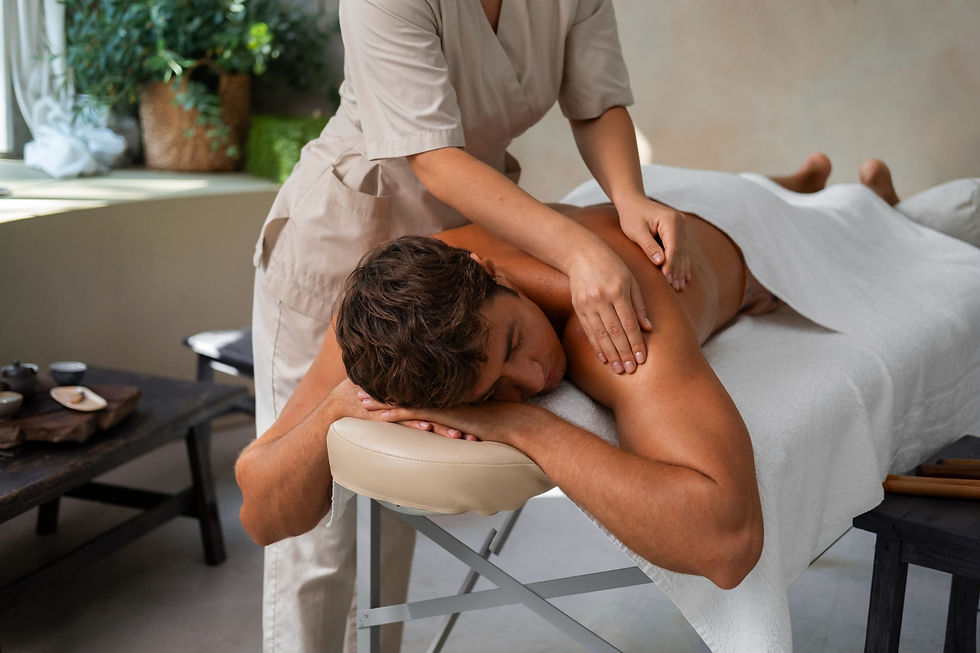
Massages are often seen as a luxury, a chance to pamper yourself after a long week or to celebrate a special occasion. However, they are much more than a simple indulgence. Regular massages have significant benefits for your body and mind, making them an important tool for maintaining overall well-being.
But how frequently should you get a massage, and does it depend on your specific needs?
Let's explore the factors that influence the ideal massage frequency to help you make the most of this therapeutic practice.
The Benefits of Massage
Massage therapy provides numerous physical and mental health benefits. Physically, it reduces muscle tension, improves circulation, and promotes better flexibility and range of motion. These benefits can be especially important for those who engage in physical activity, have sedentary lifestyles, or are recovering from injuries. Mentally, massages are known to decrease stress levels, reduce anxiety, and help improve sleep quality by lowering cortisol levels and increasing serotonin production.
Massage can also help alleviate chronic pain conditions, such as lower back pain, migraines, and joint discomfort. By targeting specific areas of tension or pain, it promotes relaxation and helps the body heal more effectively. Individuals who make massage therapy a regular part of their wellness routine often find they experience fewer aches, improved mobility, and even better energy levels throughout the day.
Factors That Determine Massage Frequency
There is no one-size-fits-all approach when it comes to how often you should get a massage. Several factors should be taken into account, including your lifestyle, health concerns, and overall wellness goals.
Your Activity Level
If you're highly active, such as an athlete or someone who exercises intensely, regular massages can help you recover from busy workout schedules while reducing the likelihood of injury. Active individuals may benefit from massages weekly or bi-weekly to keep muscles from becoming tight and to encourage faster recovery.
On the other hand, if you lead a more sedentary lifestyle, perhaps working long hours at a desk, massages can alleviate discomfort caused by poor posture, such as neck strain or tight shoulders. Those in more sedentary roles may find once-a-month massages effective for managing tensions that build slowly over time.
Health Conditions and Pain Management
People dealing with chronic pain or specific medical conditions, like fibromyalgia or osteoarthritis, often require massage therapy more frequently, weekly or even twice a week in some cases, under the guidance of a healthcare professional. Frequent sessions provide ongoing relief and help to manage discomfort over the long term.
Stress Levels
High amounts of stress in daily life can take a toll on both mental and physical health. For individuals experiencing significant stress or anxiety, scheduling massages every week or bi-weekly may be a beneficial way to maintain balance and foster relaxation.
Budget and Time Availability
While regular massages offer immense benefits, it’s essential to choose a schedule that aligns with your personal commitments and budget. Massage therapy can be an investment, both in terms of finances and time, so finding a sustainable routine is key.
Types of Massage and Their Impact on Frequency
The type of massage you choose plays a role in determining how often you should schedule sessions. For example, deep tissue massages are highly effective for breaking up chronic tension and tightness, but they can feel intense and may leave the body feeling sore for a day or two. People opting for this type of massage might space their appointments to allow for proper recovery, typically every two to four weeks.
Swedish massages, on the other hand, use lighter, more relaxing techniques, which are suitable for weekly appointments. Other styles, such as sports massages or trigger-point therapy, are often tailored to specific needs and schedules, making it important to consult with a professional to find what's best for you.
Creating a Routine That Works for You
Building a massage routine that fits your life requires some experimentation and self-awareness. Start by considering what you hope to achieve with massage therapy. If your goal is to manage stress, booking consistent bi-weekly sessions may be ideal. If you're targeting an injury or chronic pain, you might need shorter, more frequent appointments for the first month, followed by a maintenance schedule once the issue improves.
Communication with your massage therapist is essential. Discuss your goals, daily habits, and any areas of concern so they can recommend a frequency that aligns with your needs. Many therapists offer packages or discounts for recurring appointments, which can make maintaining a regular schedule more convenient and affordable.
Ultimately, the perfect massage routine is the one that aligns with your individual goals and circumstances. Whether you choose weekly, bi-weekly, or monthly sessions, consistency matters most. Massage therapy is a powerful tool for improving both physical and emotional well-being, and tailoring it to your unique needs ensures that you’ll experience its full benefits over time. Listening to your body and evaluating how you feel after each session is the best way to create a routine that truly enhances your quality of life.
Visit The Pure Escape for Massage Therapy in Winnipeg
At The Pure Escape, we provide luxurious, personalized massage therapy in Winnipeg. Our goal is to create a space where you can relax, recharge, and improve your well-being. Whether you need relief from pain, help managing stress, or want to boost your overall wellness, our expert therapists are here to tailor each session to your needs. All our therapists are registered professionals in Manitoba, having completed a 2,200-hour course, and they stay up-to-date with the latest techniques through continuing education.


Comments