
Best Times of Year to Book a Massage in Winnipeg (and Why!)
Winnipeg’s climate is known for its dramatic seasonal shifts. From freezing winters and windy springs to warm summers and colorful autumns, each season places different demands on the body. These changes affect muscles, joints, energy levels, and even mental wellbeing. As a result, massage therapy becomes especially valuable at certain times of the year.
Understanding when your body needs extra care can help you get the greatest benefit from massage. Here’s a seasonal guide to the best times of year to book a massage in Winnipeg, and why each period offers unique advantages.
Winter: Relieving Cold-Weather Stiffness and Stress
Winnipeg winters are long, cold, and physically demanding. Subzero temperatures cause muscles to tighten, circulation to slow, and joints to feel stiff. People also spend more time indoors, sitting for extended periods and moving less.
Massage during winter helps restore blood flow, warm up tight muscles, and improve flexibility. It reduces joint discomfort and eases tension caused by cold exposure. Many people also experience seasonal fatigue and low mood during winter months. Massage promotes relaxation and increases feel-good hormones, supporting emotional balance during darker days.
Booking regular sessions in winter helps maintain comfort, mobility, and overall wellbeing when the body is under the most environmental stress.
Spring: Releasing Tension and Re-Energizing the Body
After months of limited movement and heavy clothing, spring marks a transition period. As temperatures rise, people become more active, start exercising outdoors, and tackle home projects or yard work.
This sudden increase in activity often leads to muscle soreness, tight hips, and back strain. Massage in spring helps release winter-built tension and prepares the body for higher activity levels. It improves circulation, restores flexibility, and reduces the risk of early-season injuries.
Spring massages also support mental renewal. As routines shift and energy returns, massage helps people feel refreshed, focused, and physically ready for the months ahead.
Summer: Supporting Active Lifestyles and Recovery
Winnipeg summers bring festivals, sports, travel, cycling, swimming, and long days outdoors. While this active season is enjoyable, it also places extra strain on muscles and joints.
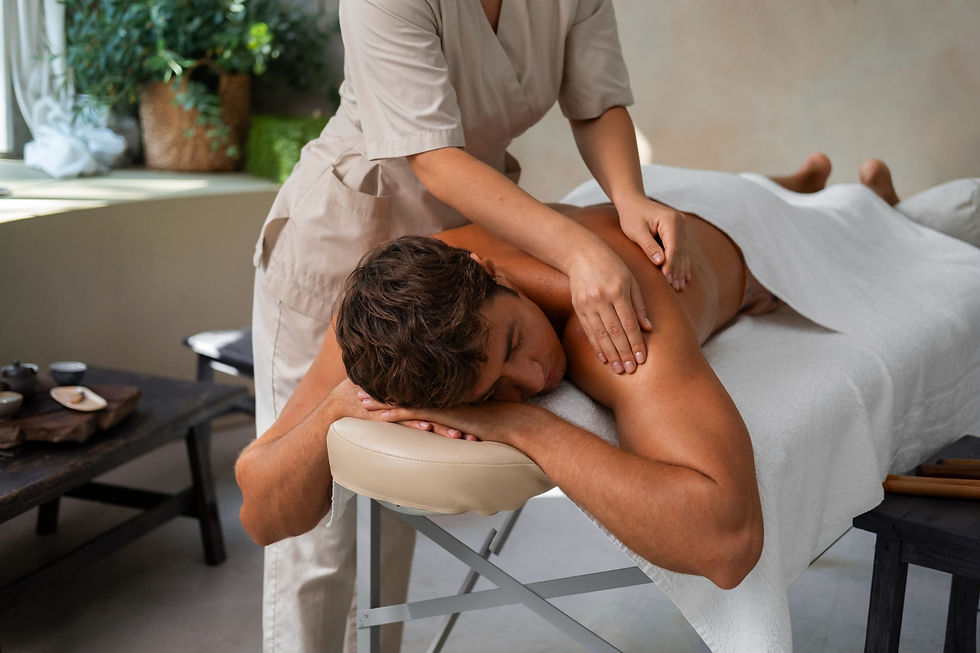
Massage during summer supports faster recovery from physical activity. It reduces muscle fatigue, eases inflammation, and prevents overuse injuries. For athletes, outdoor enthusiasts, and busy families, regular massage helps maintain performance and comfort.
Heat and humidity can also cause dehydration and muscle tightness. Massage improves circulation and lymphatic drainage, helping the body manage physical stress more efficiently. Scheduling sessions in summer keeps the body balanced despite high activity levels.
Fall: Preparing the Body for Seasonal Change
Autumn in Winnipeg is a period of transition. Temperatures drop, routines shift, and daylight hours shorten. Many people return to school schedules, heavier workloads, and indoor lifestyles.
This change often brings increased stress, postural tension, and fatigue. Massage in Winnipeg during fall helps ease the physical effects of long workdays and cooler weather. It loosens tight shoulders, neck muscles, and lower back areas that are affected by prolonged sitting.
Fall is also an ideal time to strengthen the immune system through relaxation and improved circulation. Regular massage supports overall resilience before winter arrives, helping the body adapt smoothly to seasonal changes.
During High-Stress Periods: Supporting Mental and Emotional Balance
Certain times of year bring heightened stress regardless of season. These may include:
End-of-year deadlines
Tax season
Back-to-school periods
Major life transitions
Holiday planning
During these periods, emotional pressure often shows up as muscle tension, headaches, jaw tightness, and poor sleep. Massage helps calm the nervous system, reduce cortisol levels, and promote mental clarity. Booking sessions during stressful periods improves emotional balance and prevents burnout, making it easier to stay focused and productive.
After Injury or Physical Strain: Accelerating Recovery
Any time of year can bring unexpected injuries, strains, or physical overload. Shoveling snow, lifting heavy items, intense workouts, or long travel days can all trigger discomfort.
Massage supports recovery by increasing circulation, reducing inflammation, and restoring mobility. It helps prevent minor strains from becoming chronic problems. Scheduling sessions after physical stress allows the body to heal more efficiently and return to normal function faster.
During Seasonal Transitions: Supporting Adaptation

The shift between seasons places hidden stress on the body. Changes in temperature, daylight, and activity levels affect sleep patterns, hormone balance, and muscle function.
Massage during seasonal transitions, especially between winter and spring, and summer and fall, helps regulate these changes. It stabilizes energy levels, improves sleep quality, and reduces physical fatigue. This makes adaptation smoother and more comfortable.
For Preventive Care: Maintaining Year-Round Wellness
While certain seasons increase the need for massage in Winnipeg, consistent care throughout the year delivers the strongest benefits. Regular sessions prevent tension from building up, support posture, and maintain joint mobility.
Preventive massage reduces the risk of chronic pain and improves long-term physical performance. Instead of waiting for discomfort to appear, proactive care keeps the body functioning at its best in every season.
In Winnipeg’s dynamic climate, each season brings unique physical and emotional challenges. By booking strategically, during cold months, active seasons, stressful periods, and transitions, you can protect your health, improve comfort, and maintain balance. Whether used for recovery, relaxation, or prevention, massage remains a valuable tool for year-round wellbeing in Winnipeg.


Comments